

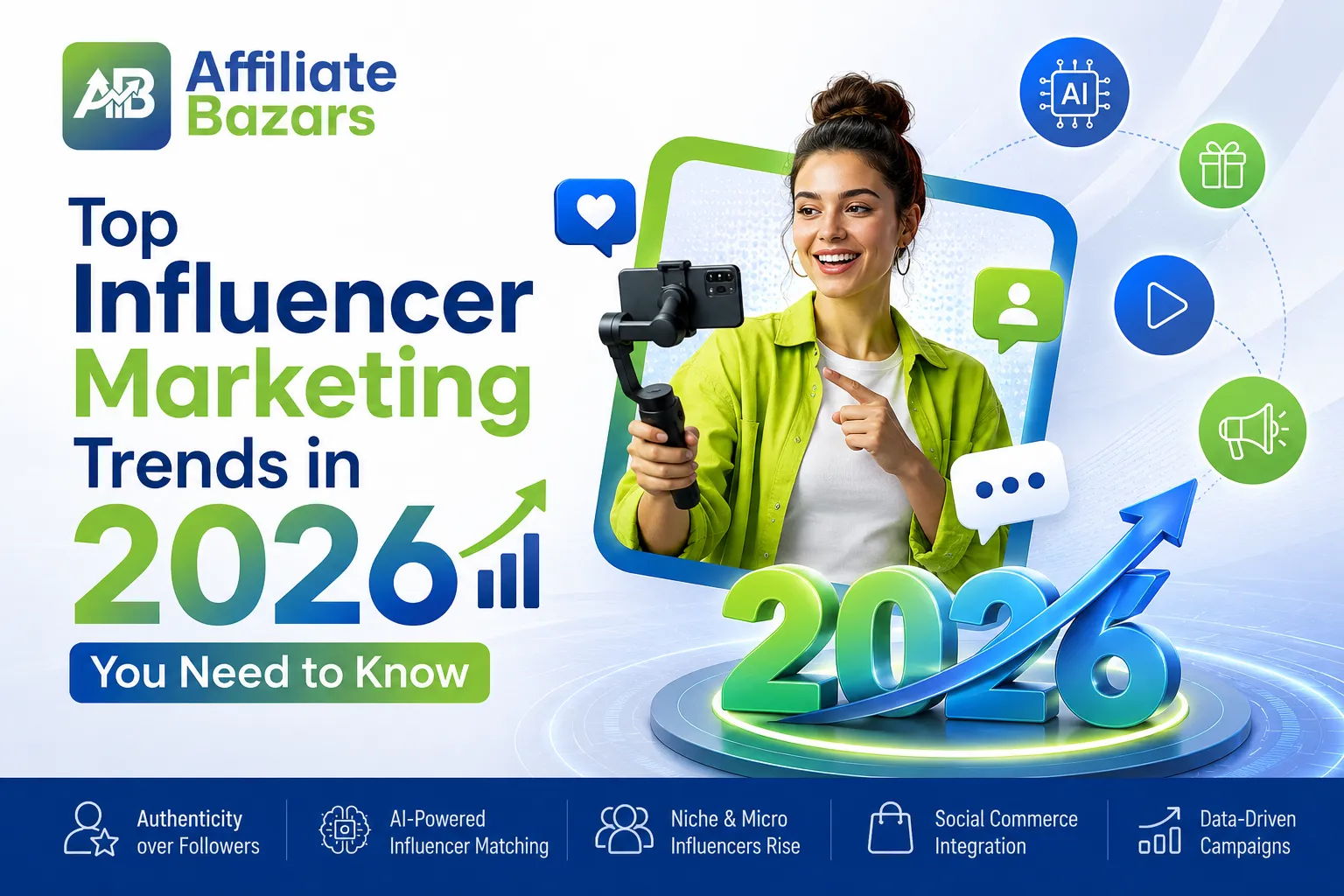
Influencer Marketing has shifted from the large-scale celebrity ads to authentic creator partnerships. In 2026, these trends focus on launching small engagements with trusted creators and deriving measurable outcomes.
Niche and micro creators play a vital role, especially in fast-growing areas like sports, wellness, and skilled trades. Nowadays, the creator marketplaces have become a place of discovery, and make it easier for businesses and teams to find talent and launch campaigns smoothly.
Overview of influencer marketing trends
Here are the overview of the top influencer marketing trends
| Trend | The Shift | What It Matter for Brands |
| Performance over flat fees | Hybrid base + commission structures are becoming standard | Negotiate commission clauses into every creator deal |
| Nano and Micro dominance | Smaller creators outperforming on every measurable metric | Reallocate budget from a few large deals to more small ones |
| Short-form video maturity | Reels, shorts, and TikTok drive measurable conversion | Treat short-form as a performance channel, not just awareness |
| Social commerce integration | Creator content is now shoppable while inspiration | Build creator programs with direct purchase paths built in |
| Long-term ambassador programs | Repeated creator-brand association outperforms posts | Shift from campaign thinking to partnership thinking |
| AI-powered campaign management | AI handles discovery, fraud detection, and forecasting | Use AI tools for scale; keep human judgment for strategy |
| B2B influencer marketing | B2B creators on YouTube and LinkedIn drive purchase decisions | Launch B2B creator programs around subject-matter experts |
| Creator professionalization | Mid-tier creators now run their channels like businesses | Treat creators as partners with business goals, not only channels |
| Fraud and authenticity pressure | Around 60% of brands have experienced influencer fraud | Vet every creator and create fraud clauses into contracts |
| Creator-led communities | Owned communities replace broadcast audiences as the highest-trust channel | Focus on creators with active communities, rather than huge follower counts |
Influencer Marketing Trends 2026
Let us talk about each trend in detail below
- Rise of Micro and Nano Influencers
One of the biggest trends in 2026 is the rise of micro and nano influencers. Earlier, brands mostly preferred celebrities or mega influencers with millions of followers. But now brands are realizing that smaller creators often deliver better engagement and trust.
- Nano Influencers: 1K to 10K followers
- Micro Influencers: 10K to 100K followers
For example, a skincare influencer with 8,000 followers can generate more product sales than a celebrity because the audience trusts them more personally. Reports also show micro influencers often generate engagement rates between 5% and 8%, while celebrity influencers usually stay below 2%. This trend is useful for startups and small businesses with lower budgets.
- AI Influencers and Virtual Creators
AI-generated influencers shape influencer marketing. These are computer-generated digital personalities created using artificial intelligence. One of the famous virtual influencers with millions of followers who has worked with brands like Prada and Calvin Klein. Brands are experimenting with AI influencers because of 24/7 availability, no scheduling issues, more creative control, and campaign consistency.
However, real human influencers still dominate because audiences connect emotionally with real personalities.
- Importance of Authenticity and Transparency
Now, modern consumers are highly aware and can easily identify fake promotions. In 2026, authenticity matters a lot in influencer marketing. Audiences prefer honest reviews and real experiences over scripted advertisements. Brands and influencers must clearly disclose paid partnerships and focus on genuine storytelling. Trust is the new currency. Without it, even the biggest campaigns can fail.
- Growth of Short-Form Video Content
Short-form video content continues to dominate social media platforms. Content formats like reels and short videos are highly engaging and easy to consume. Influencers who can tell stories in a short time are gaining more attention and engagement. Brands are focusing heavily on video-based campaigns because they generate higher reach and better audience interaction.
- Performance-Based Influencer Marketing
Brands are becoming more result-oriented in their approach. Rather than only paying influencers for posting content, they are adopting performance-based models. It includes paying based on clicks, conversions, or sales. This strategy ensures better accountability and allows brands to measure the exact return on their investment. Influencers are also becoming more responsible as their earnings are based on performance.
- Virtual Influencers and Digital Avatars
Virtual influencers are gaining attention in 2026. These are computer-generated personalities that promote brands just like human influencers. They offer full control to brands and eliminate risks like controversies. However, many users still prefer real human connections. The growth of virtual influencers will depend on how well they can build trust.
- Cross-Platform Influencer Strategies
Brands no more rely on a single platform today. They prefer to create strategies that work across multiple platforms to increase reach. By using different platforms, they can connect with various audiences and improve overall campaign performance. This approach helps to maintain consistent brand messaging.
Conclusion
As the real and virtual worlds evolve, influencer marketing trends also change. Marketers and influencers must stay informed and adjust to the situation. Partnering with a top influencer marketing agency is wise, as these experts can anticipate future trends and manage the legal aspects of your campaign.